

What It Means for Global Markets, Energy Prices, and Businesses
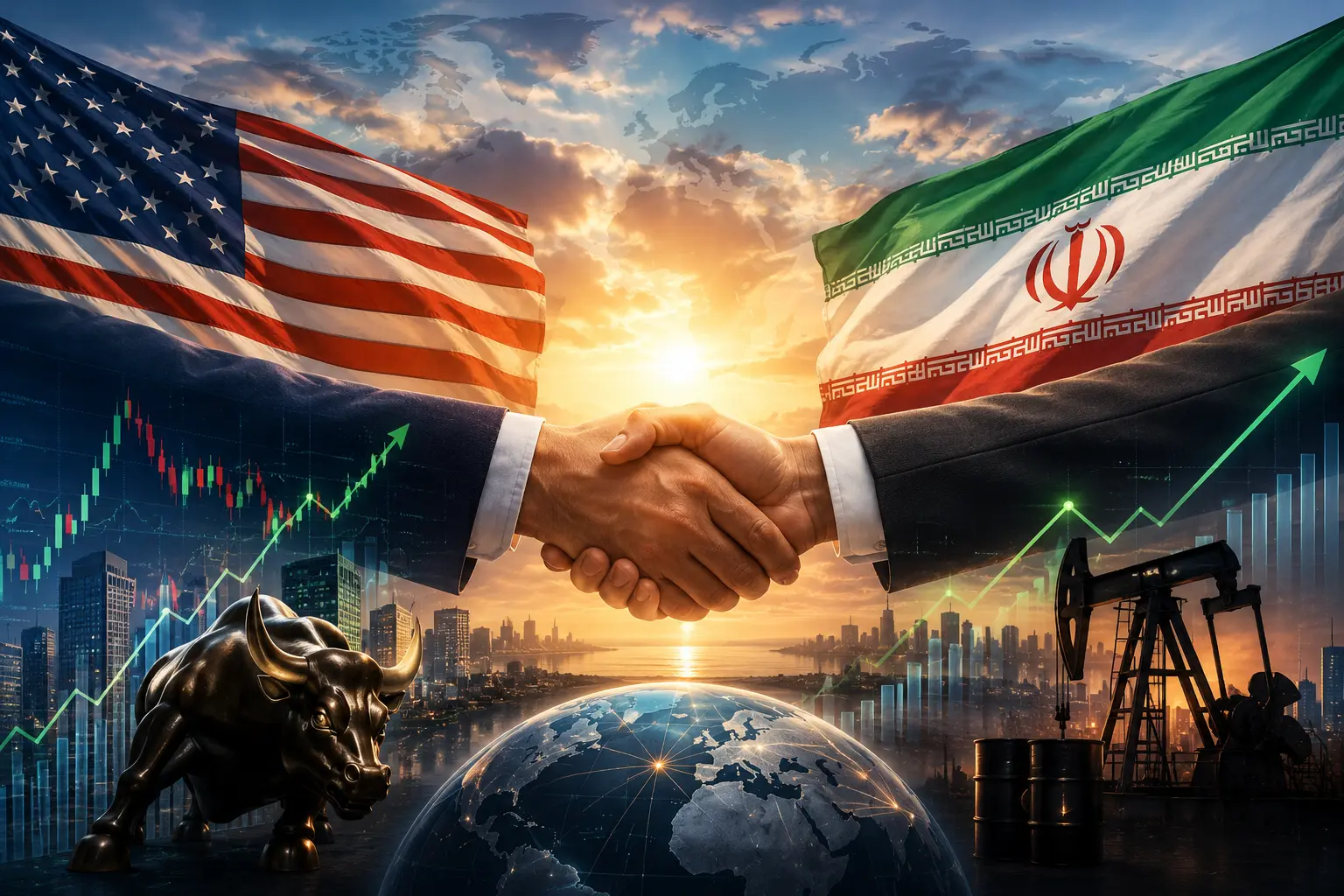
The United States and Iran have reportedly reached a landmark agreement to end the four-month conflict that has disrupted global trade, energy markets, and investor confidence. The development is being viewed as a major geopolitical breakthrough that could stabilize international supply chains, reduce oil price volatility, and improve economic sentiment across multiple sectors.
According to recent statements, the agreement includes the reopening of the Strait of Hormuz and the lifting of the U.S. naval blockade. The deal is expected to be formally signed in Switzerland on June 19, with Pakistani Prime Minister Shehbaz Sharif playing a key mediating role between the two nations.
For business owners, investors, market researchers, and analysts, this agreement could mark a turning point in global economic conditions and international trade dynamics.
Why the US-Iran Agreement Matters
The conflict between the United States and Iran has been closely monitored by global financial markets due to its impact on energy supplies, shipping routes, and geopolitical stability.
The Strait of Hormuz is one of the world’s most important maritime trade routes, handling a significant portion of global oil exports. Any disruption in this region directly affects:
- Global oil prices
- Shipping costs
- Energy security
- Stock market performance
- Inflation rates
- International trade flows
With the reported agreement now complete, market participants are anticipating reduced geopolitical risk and improved business confidence.
Key Highlights of the Agreement
Major Developments
| Agreement Component | Expected Impact |
| End of Four-Month Conflict | Reduced geopolitical uncertainty |
| Reopening of Strait of Hormuz | Improved global oil transportation |
| Lifting of U.S. Naval Blockade | Increased trade activity |
| Switzerland Signing Ceremony | Formal diplomatic resolution |
| Pakistan’s Mediation Role | Strengthened regional diplomacy |
These measures could significantly improve market sentiment across industries that depend on stable energy supplies and international shipping networks.
Impact on Global Oil Markets
Oil Supply Stabilization
One of the biggest concerns during the conflict was the potential disruption of crude oil shipments through the Persian Gulf.
The reopening of the Strait of Hormuz is expected to:
- Increase oil transportation efficiency
- Reduce supply chain bottlenecks
- Lower geopolitical risk premiums
- Improve global energy security
For energy-intensive industries such as manufacturing, logistics, aviation, and transportation, these developments could help control operational costs.
Potential Effect on Oil Prices
Historically, geopolitical tensions in the Middle East have triggered spikes in crude oil prices.
Now that the conflict appears to be ending, analysts expect:
- Reduced market volatility
- More stable energy pricing
- Improved forecasting accuracy
- Better investment planning
While oil prices may still fluctuate due to global demand conditions, the removal of conflict-related uncertainty is a positive sign for businesses worldwide.
What Investors Should Watch
Market Sentiment Improvement
Financial markets typically react positively to reduced geopolitical tensions.
Investors may see opportunities in:
Energy Sector
Energy companies could benefit from improved operational certainty and stronger production outlooks.
Transportation and Logistics
Lower fuel costs and smoother shipping routes can increase profitability for logistics providers and global freight operators.
Manufacturing
Stable energy prices often help manufacturers manage costs more effectively.
Emerging Markets
Countries heavily dependent on imported energy may benefit from lower inflationary pressures and stronger economic growth prospects.
Stock Market Outlook
Historically, peace agreements and diplomatic breakthroughs have often boosted investor confidence.
Potential beneficiaries include:
- Oil and gas companies
- Shipping firms
- Airline operators
- Industrial manufacturers
- Infrastructure businesses
However, investors should continue monitoring official announcements and implementation progress before making major portfolio decisions.
Business Implications Across Industries
Supply Chain Management
Over the past four months, many businesses experienced uncertainty due to rising transportation costs and geopolitical risks.
The agreement may help organizations:
- Improve inventory planning
- Reduce logistics expenses
- Strengthen international trade partnerships
- Increase supply chain reliability
International Trade
Global commerce relies heavily on predictable shipping routes.
The reopening of the Strait of Hormuz could:
- Accelerate cargo movement
- Reduce shipping delays
- Lower freight insurance costs
- Improve export-import efficiency
For multinational corporations, this could translate into stronger operational performance during the second half of the year.
Energy-Dependent Businesses
Industries with significant fuel and energy consumption may experience direct benefits.
Examples include:
| Industry | Potential Benefit |
| Airlines | Lower fuel cost pressure |
| Manufacturing | Stable production expenses |
| Logistics | Reduced transportation costs |
| Retail | Improved inventory movement |
| Construction | Better material transportation |
These advantages could improve profit margins and support business expansion plans.
The Strategic Role of Pakistan
An interesting aspect of this development is the reported mediation role played by Pakistani Prime Minister Shehbaz Sharif.
Successful diplomatic mediation often enhances a country’s international standing and can open new opportunities for regional cooperation.
For businesses operating in South Asia and the Middle East, stronger diplomatic relations could eventually support:
- Trade agreements
- Infrastructure investments
- Regional economic partnerships
- Cross-border business expansion
How Market Researchers Should Analyze the Situation
Market researchers should closely track several indicators over the coming weeks:
Energy Prices
Monitor:
- Brent Crude
- WTI Crude Oil
- Natural Gas Futures
Shipping Metrics
Key indicators include:
- Freight rates
- Shipping insurance premiums
- Port activity levels
Investor Sentiment
Watch:
- Stock market performance
- Energy sector ETFs
- Global economic confidence indexes
Trade Volumes
Changes in import-export activity may provide early evidence of economic normalization following the agreement.
Potential Risks That Remain
Despite the positive developments, some uncertainties still exist.
Implementation Challenges
Peace agreements often require:
- Verification mechanisms
- Diplomatic coordination
- Security guarantees
- Long-term compliance
Market Overreaction
Investors should avoid making decisions based solely on headlines. Markets sometimes price in optimistic expectations before full implementation occurs.
Global Economic Factors
Other issues could still influence economic performance, including:
- Interest rate policies
- Inflation trends
- Supply chain disruptions
- Regional geopolitical events
A balanced approach remains essential.
Future Outlook
If the agreement proceeds as expected and is formally signed in Switzerland, the global economy could benefit from a period of greater stability.
Potential long-term outcomes include:
- Improved energy security
- Stronger international trade
- Reduced inflationary pressure
- Higher investor confidence
- Better business planning conditions
For organizations operating in global markets, the development may represent one of the most important geopolitical events of the year.
Frequently Asked Questions (FAQs)
Why is the US-Iran agreement important for businesses?
The agreement could reduce geopolitical risks, stabilize energy prices, improve shipping routes, and strengthen global trade conditions.
How does the Strait of Hormuz affect global markets?
The Strait of Hormuz is a critical shipping route for oil exports. Any disruption can impact energy prices, inflation, and global supply chains.
Will oil prices decrease immediately?
Not necessarily. While the agreement may reduce risk premiums, oil prices are also influenced by global demand, production levels, and economic conditions.
Which industries may benefit the most?
Transportation, logistics, manufacturing, aviation, retail, and energy-related businesses could see positive impacts.
What should investors monitor next?
Investors should watch official implementation updates, energy market reactions, shipping activity, and broader economic indicators.
Conclusion
The reported agreement between the United States and Iran to end the four-month conflict could have far-reaching implications for global markets, energy prices, and international trade. The reopening of the Strait of Hormuz and the lifting of the U.S. naval blockade are particularly significant developments that may improve economic stability and investor confidence.
For business owners, investors, market researchers, and analysts, this situation deserves close attention. As implementation progresses and additional details emerge, organizations that stay informed will be better positioned to identify opportunities and manage risks in an evolving global landscape.