

Introduction
A well-digitized logo can make embroidered clothing, caps, bags, uniforms, and promotional products look clean and professional. The quality of the final embroidery depends not only on the artwork but also on how the design is converted into stitches.
Best Embroidery Digitizing Services focus on creating embroidery files that are suitable for the selected fabric, machine, thread, and final design size.
A properly prepared file can help reduce stitching problems, improve lettering, and produce more consistent results during production.
What Is Embroidery Digitizing?
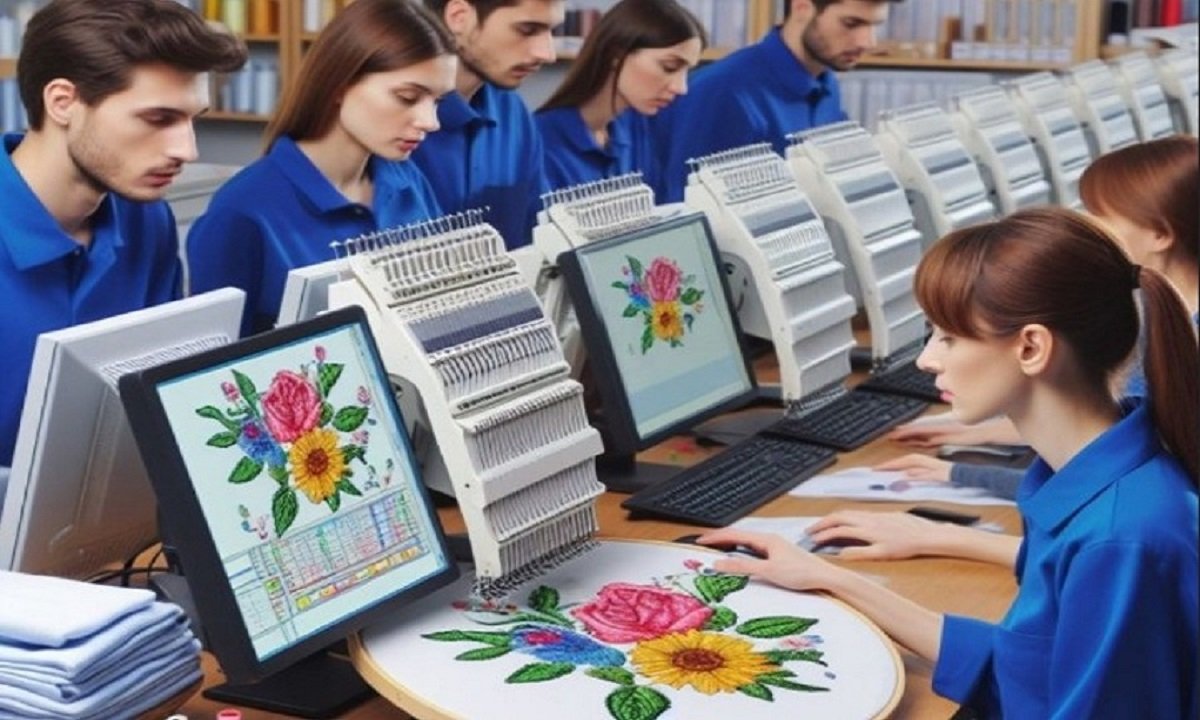
Embroidery digitizing is the process of converting artwork or a logo into a digital embroidery file that an embroidery machine can read.
The digitizer decides important details such as:
- Stitch types
- Stitch direction
- Stitch density
- Underlay
- Stitch sequence
- Thread changes
- Design size
- Lettering settings
The goal is not simply to convert an image into stitches. The file needs to be designed according to how the embroidery will actually be produced.
Why Logo Embroidery Digitizing Matters
A logo that looks excellent on a computer screen may not produce the same result when stitched onto fabric.
Small details can disappear, lettering can become difficult to read, and excessive stitching can create unnecessary bulk.
Professional digitizing considers the final application before the file is prepared. This is particularly important for business logos that need to be reproduced across uniforms, caps, jackets, bags, and other products.
What Makes a Good Embroidery File?
A quality embroidery file should be prepared with the final product and fabric in mind.
1. Correct Stitch Types
Different parts of a design may require different stitch types.
For example:
- Satin stitches can work well for borders and lettering.
- Fill stitches can cover larger areas.
- Running stitches can be useful for fine outlines and details.
Using the appropriate stitch type helps create a cleaner finished design.
2. Proper Stitch Density
Stitch density refers to how closely stitches are placed together.
If density is too low, fabric may show through the design. If density is too high, the embroidery can become stiff or create unnecessary thread buildup.
The correct density depends on factors such as fabric type, thread, design size, and stitch type.
3. Appropriate Underlay
Underlay stitches provide a foundation underneath the visible embroidery.
They can help stabilize fabric and support the top stitches. Different materials may require different underlay approaches.
For example, a stable woven fabric may need different settings from a stretchy garment.
4. Correct Stitch Sequence
The order in which sections are stitched can affect the final appearance.
A well-planned sequence can help reduce unnecessary thread jumps, minimize distortion, and improve production efficiency.
How Fabric Affects Embroidery Digitizing
Fabric plays an important role in determining the appropriate embroidery settings.
Cotton
Cotton is commonly used for shirts, uniforms, and other garments. The digitizing settings should provide enough coverage while avoiding unnecessary stitch buildup.
Denim
Denim is thicker and more stable than many lightweight fabrics. Designs may require settings that account for the heavier material.
Caps
Cap embroidery presents different challenges because the surface is curved. Stitch direction and design placement become particularly important.
Stretch Fabrics
Stretch materials can move during stitching. Proper stabilization and suitable digitizing settings can help maintain the shape of the design.
Small Text Needs Special Attention
Small lettering is one of the more challenging elements in embroidery.
Text that looks readable in artwork may become unclear after stitching if the letters are too small or contain complicated details.
For small text, a digitizer may need to:
- Simplify letter shapes
- Adjust stitch width
- Select suitable stitch types
- Reduce unnecessary details
- Test the design at its final size
This is why the intended embroidery size should be provided before the file is created.
Logo Embroidery for Different Products
Embroidery designs can be used on many products, including:
- Polo shirts
- Work uniforms
- Jackets
- Caps
- Bags
- Towels
- Sportswear
- Promotional merchandise
Each application can have different requirements. A design created for a shirt may need adjustments before being used on a cap or thick jacket.
Why Test Stitching Is Important
A digital embroidery file should ideally be tested before large-scale production.
A test run can reveal problems such as:
- Thread breaks
- Poor lettering
- Excessive density
- Fabric puckering
- Incorrect stitch direction
- Design distortion
- Unwanted thread jumps
Testing allows adjustments to be made before the design is produced on a large number of products.
Common Embroidery Digitizing Mistakes
Using Low-Quality Artwork
Poor artwork can make accurate digitizing more difficult. Clear logos and high-quality reference files generally provide better starting points.
Using the Same Settings for Every Fabric
Different materials behave differently during embroidery. Using identical settings for every application can lead to inconsistent results.
Adding Too Many Tiny Details
Very small details may not reproduce clearly in thread. Simplifying the artwork can sometimes produce a better embroidered result.
Ignoring the Final Embroidery Size
A design created for a large jacket back may not work correctly when reduced for a shirt chest or cap.
Skipping Test Runs
Moving directly into production without testing can increase the risk of defects and wasted materials.
How to Choose the Best Embroidery Digitizing Services
When comparing Best Embroidery Digitizing Services, businesses should look beyond price alone.
Consider these factors:
Check Experience
Look for a provider with experience creating files for different fabrics, products, and embroidery machines.
Review Sample Work
Previous embroidery samples can provide useful information about stitch quality, lettering, detail, and consistency.
Ask About File Formats
Different embroidery machines may require different file formats. Confirm that the provider can supply the format required for your equipment.
Discuss Turnaround Time
If the design is needed for production, confirm the expected delivery time before placing an order.
Ask About Revisions
A good workflow should allow reasonable adjustments when a test stitch shows that changes are needed.
Consider Customer Support
Clear communication is important when explaining design size, fabric type, machine requirements, and production expectations.
How Professional Digitizing Can Improve Production
Professional digitizing can help businesses create more consistent embroidery results.
A properly prepared file can reduce common production issues and make it easier for embroidery operators to reproduce a logo across different products.
The final result still depends on several factors, including machine condition, thread quality, needle selection, hooping, fabric stabilization, and operator settings.
Therefore, digitizing is an important part of the production process, but it works together with proper embroidery practices.
A Simple Checklist Before Ordering Digitizing
Before sending a logo for digitizing, prepare the following information:
- Original logo or artwork
- Desired embroidery size
- Product type
- Fabric type
- Preferred thread colors
- Required embroidery file format
- Approximate production quantity
- Any specific lettering requirements
Providing this information can help the digitizer create a file that better matches the intended application.
Why Businesses Use Professional Embroidery Digitizing
Businesses often need logos that can be reproduced consistently across different products.
Professional Best Embroidery Digitizing Services can help prepare files according to the intended fabric, size, and application rather than relying on a basic automatic conversion.
For branded uniforms and promotional products, consistency is especially important because the same logo may need to be embroidered repeatedly.
FAQs
1. What are Best Embroidery Digitizing Services?
They are professional services that convert artwork or logos into embroidery-ready digital files using suitable stitch types, density, underlay, and sequencing.
2. Can any logo be converted into an embroidery file?
Most logos can be prepared for embroidery, but complex or very detailed artwork may need to be simplified for better stitching results.
3. What information should I provide to a digitizer?
Provide the logo, final design size, fabric type, product type, thread colors, and required machine file format.
4. Why is test stitching important?
Test stitching helps identify issues such as poor lettering, incorrect density, thread buildup, puckering, or design distortion before full production.
5. How do I compare embroidery digitizing companies?
Compare their experience, sample quality, supported file formats, turnaround time, revision process, and communication.
Final Thoughts
Choosing the right digitizing approach can make a significant difference in the quality and consistency of embroidered logos. The most important factors include stitch selection, density, underlay, sequencing, fabric type, and final design size.
converting artwork or a logo into a digital embroidery file should focus on the actual production requirements rather than simply converting artwork into stitches.
For businesses, testing the file before full production and communicating the exact application can help achieve more reliable embroidery results.