

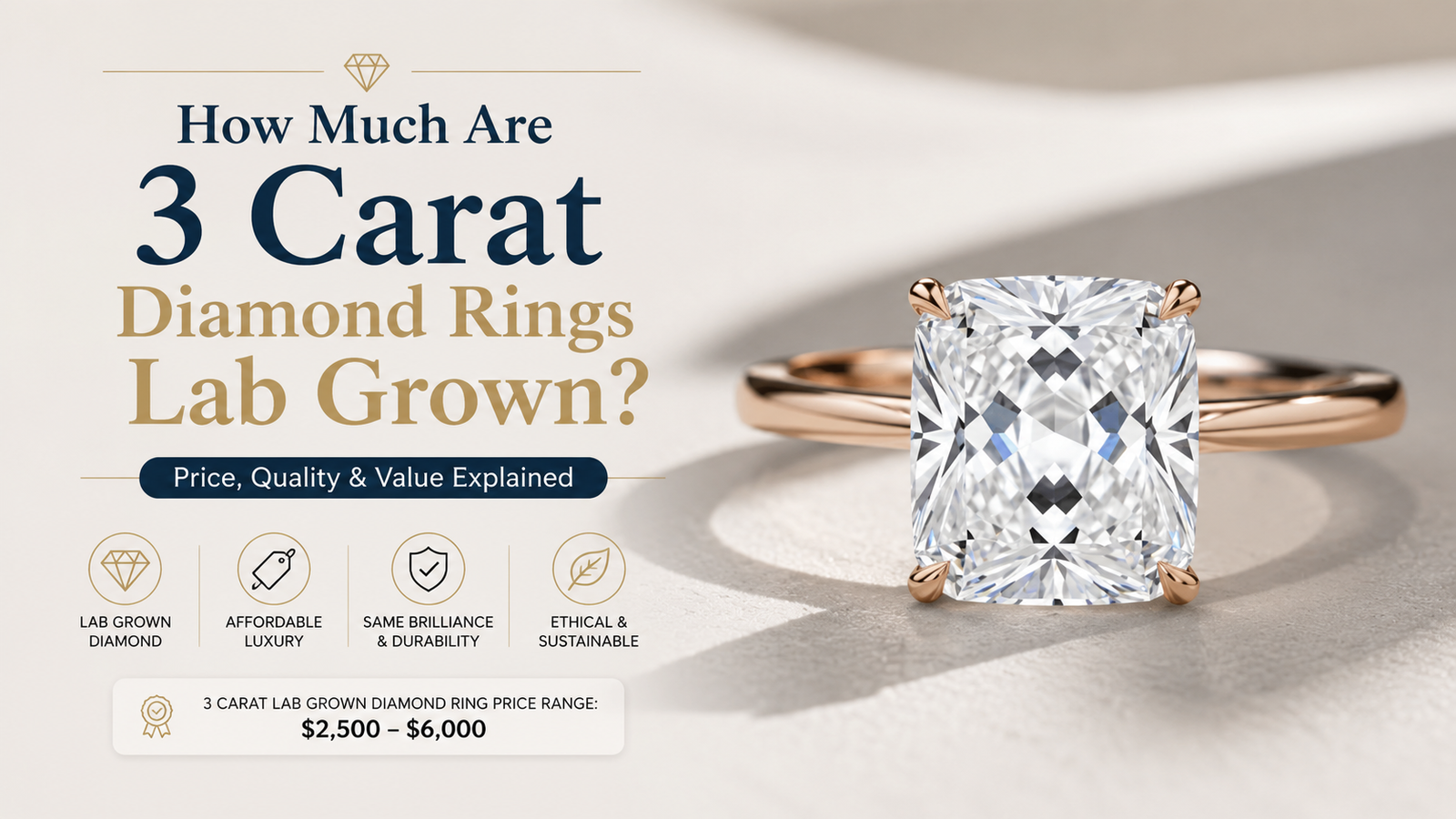
Understanding the Cost of a 3 Carat Lab-Grown Diamond Ring
When exploring high-carat jewelry, a 3 carat diamond ring represents an unquestionable statement of elegance, scale, and luxury. Historically, acquiring a gem of this magnitude required a significant, multi-ten-thousand-dollar investment. However, modern scientific advancements in diamond creation have fundamentally transformed the landscape, making large-scale brilliance far more accessible.
For buyers considering a lab-grown alternative, understanding the pricing structure, value drivers, and strategic ways to maximize budget is key to making an informed decision.
Average Market Price Range
On today’s market, a high-quality 3 carat lab-grown diamond ring typically costs between $2,500 and $6,000, complete with the center stone and a classic precious metal setting.
In comparison, an earth-mined diamond of identical size, clarity, and color can easily range from $30,000 to over $80,000. Because lab-grown diamonds are grown in high-tech laboratories that replicate the earth’s natural geological pressure and heat, they are chemically, physically, and optically identical to mined diamonds—allowing you to secure the same visual impact at a fraction of the cost.
3 Carat Diamond Ring Pricing Comparison
| Diamond Origin Type | Average Price Range (High Quality – 4Cs) |
|---|---|
| Lab-Grown Diamond | $2,500–$6,000 |
| Earth-Mined Natural Diamond | $30,000–$80,000+ |
Key Factors That Influence the Final Cost
While lab-grown diamonds offer incredible value, the price of a specific three-carat ring will still vary based on several key quality metrics:
1. The Four Cs (Cut, Color, Clarity, and Carat)
-
Cut Quality: The cut has the greatest impact on a diamond’s sparkle. Selecting an “Ideal” or “Excellent” cut grade ensures maximum light reflection.
-
Color Grade: Lab-grown diamonds in the colorless range (D, E, F) command a slight premium over near-colorless stones (G, H).
-
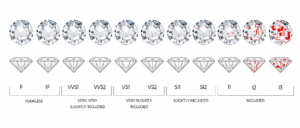
Clarity Grade: Because a three-carat stone has large facet windows, internal inclusions are easier to see. Aiming for VS1 or VS2 clarity guarantees an “eye-clean” stone without paying the steep markup of flawless grades.
2. Diamond Shape
Traditional round brilliant cuts require more raw material to be cut away during manufacturing, making them slightly more expensive per carat. Fancy elongated shapes—such as oval, emerald, radiant, or cushion cuts—utilize more of the original rough crystal and often offer a larger face-up appearance on the finger at a lower cost per carat.
3. Setting and Metal Choice
The band and head construction account for part of the overall cost. Simple solitaires in 14k or 18k gold are the most budget-friendly, while intricate halo settings, multi-stone designs (like a Toi et Moi layout), or heavy platinum mountings will add to the final total.
Why Choose Lab-Grown at 3 Carats?
Choosing a three-carat lab-created diamond allows you to prioritize quality over compromise. Instead of settling for a lower color or clarity grade to stay within budget on a natural stone, lab-grown technology enables you to select a pristine, top-tier gem set in premium artisan metalwork—such as custom designs from houses like KRK Jewels—delivering uncompromised luxury, ethical sourcing, and timeless beauty.